Types of Silo Cleaning: Man-Entry vs Non-Entry Methods Explained

Silo blockages are a common operational issue across quarrying, cement, asphalt, and bulk-handling environments. And they’ll always seem to happen at the worst possible moment.

Production delays, inconsistent discharge, increased loading on equipment, and unplanned downtime are often the first signs that there’s a problem. Material bridges, compaction, moisture ingress, or product changes can all lead to restricted flow or complete blockages. The key question is how you deal with it.

In most cases, it comes down to two options: confined space entry (often referred to in the industry as man-entry) or non-entry cleaning (sometimes called non-man-entry or remote cleaning). Understanding the differences and when each is appropriate can significantly impact safety, downtime, and overall cost.

What is non-entry silo cleaning?

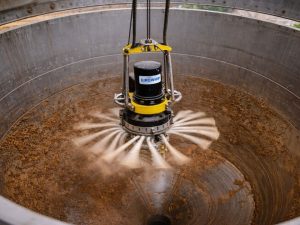
Non-entry silo cleaning is a method of removing material build-up and blockages without sending operatives into the silo. Specialist remote equipment is used to safely break down and remove material externally, reducing confined space entry risks and operational downtime.

At NQIS, we support sites across the UK with both reactive blockage removal and planned silo cleaning services, using specialist techniques including non-entry gyro whip systems alongside experienced confined space entry teams where required.

The giro whip in action, cleaning a silo with its rotating chains

What Causes Silo Blockages?

Before getting into the methods, it is worth understanding why blockages happen in the first place.

  • Common causes include:
  • Bridging: Material forms an arch across the silo, preventing discharge
  • Rat-holing: Flow occurs through a narrow central channel, leaving material compacted around the sides
  • Moisture ingress: Product binds, cakes, or solidifies
  • Segregation or inconsistent feed material
  • Long-term build-up on silo walls and internal surfaces

In many cases, blockages develop gradually rather than suddenly. By the time flow stops completely, the issue has often been building for some time. Fine powders and cohesive materials are particularly susceptible to compaction and adhesion, especially where humidity or temperature fluctuation is involved.

Confined Space Entry Cleaning: The Traditional Approach

Confined space entry cleaning involves sending operatives into the silo to manually break up and remove the blockage. It is a method that has been used for years and, in some situations, is still necessary. However, it is a high-risk activity and should only be conducted when unavoidable, usually after non-entry or remote cleaning methods have failed.

Because this work takes place within a confined space, it requires:

  • Full confined space risk assessments
  • Permit-to-work systems
  • Atmospheric monitoring
  • Rescue planning and standby teams
  • Specialist PPE and access equipment

The inherently higher safety risks are due to:

  • Engulfment hazards
  • Falling material
  • Reduced oxygen environments
  • Restricted access and egress
  • Dust exposure

Even with strict safety protocols in place, confined space entry is always higher risk by nature. It also tends to be more disruptive to operations.

Non-Entry Cleaning: A Safer Alternative

Non-entry cleaning removes the need for operatives to enter the silo.

Using specialist equipment such as gyro whip systems and DISAB vacuum units, cleaning can be carried out remotely, breaking down and removing material from outside the vessel.

Typical applications:

  • Material build-up on silo walls
  • Early-stage blockages
  • Routine maintenance cleaning
  • Preventative works

The advantages:

  • Reduced risk (no confined space entry or man-entry required)
  • Faster mobilisation and completion
  • Less disruption to operations
  • More cost-effective in many cases

For most industrial sites, remote cleaning methods have become the preferred first-line solution wherever conditions allow.

By addressing material build-up early, non-entry cleaning can help prevent more serious blockages from developing, reducing disruption and minimising the need for confined space entry.

Why Early Intervention Matters

One of the biggest differences between the two approaches often comes down to timing.

Silo blockages can end up being treated as emergency jobs but like most issues on industrial sites, many are preventable. Early-stage build-up can usually be managed using non-entry cleaning methods. Left too long, the same issue can develop into a more complex blockage requiring full confined space entry intervention.

In other words, the longer it is left, the fewer options you have.

Regular inspection and planned cleaning can significantly reduce the likelihood of needing confined space entry at all. A proactive silo maintenance strategy may include:

  • Scheduled inspections
  • Routine non-entry cleaning
  • Monitoring material flow performance
  • Identifying build-up before discharge is affected
  • Cleaning during planned shutdown periods

How NQIS Can Help

At NQIS, we support quarry and industrial sites with both non-entry silo cleaning and confined space entry works, depending on what the situation requires. We support clients with:

  • Emergency blockage removal
  • Planned silo cleaning
  • Material build-up removal
  • Flow restoration
  • Preventative maintenance programmes

Using specialist equipment, such as gyro whip systems, alongside experienced confined-space teams, we focus on getting silos back to full working condition safely and efficiently.

If you are dealing with recurring blockages, or want to reduce the risk of them happening in the first place, speak to NQIS about a more proactive maintenance and cleaning strategy.

Frequently Asked Questions

What causes silo blockages?

Silo blockages are commonly caused by bridging, rat-holing, moisture ingress, inconsistent material flow, and long-term material build-up.

Is non-entry silo cleaning safer?

Yes. Non-entry silo cleaning reduces the need for confined space entry, lowering the risks associated with working inside silos.

When is confined space entry required for silo cleaning?

Confined space entry may be required for severe blockages or hardened build-up that cannot be removed remotely.

How can silo blockages be prevented?

Regular inspections, planned cleaning, and early intervention can help prevent major blockages from developing.

What industries commonly require silo cleaning?

Silo cleaning is commonly required across quarrying, cement, asphalt, recycling, and bulk-handling industries.

Ready to get started?

If you have any questions about any of our services, feel free to request a FREE quote using our simple quote request form. Once we’ve received your message, one of our friendly team members will get in touch shortly to discuss your requirements in detail.

Vacuum tanker cleaning an industrial project
Men working on ground works